


The Importance of User Trust in the Digital Age
In an era where online interactions and digital services dominate daily life, building user trust is essential for businesses and developers. Users are increasingly cautious about sharing personal information due to the prevalence of cybercrime, identity theft, and online fraud. A single security breach can damage a company’s reputation and drive users away. One effective method for enhancing trust and security is the implementation of sms verification number systems. By providing an additional layer of authentication, businesses demonstrate their commitment to protecting user accounts and sensitive data.
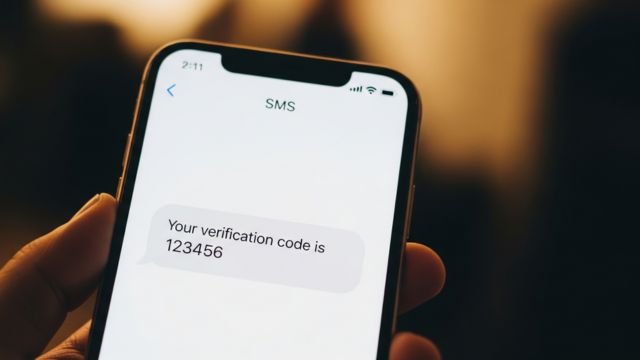
An sms verification number is a temporary code sent to a user’s mobile device to confirm their identity. Unlike static passwords, these numbers are unique for each verification attempt and expire quickly, reducing the likelihood of unauthorized access. By using SMS verification, organizations reassure users that their accounts are safe from hackers, bots, and fraudulent activities, fostering a sense of security and reliability.
Enhancing Account Security Through SMS Verification Numbers
The foundation of user trust lies in the perception of account security. Traditional login systems that rely solely on passwords are increasingly vulnerable, as many users reuse passwords or fall victim to phishing attacks. Incorporating an sms verification number into the authentication process adds a critical second factor. This two-factor authentication (2FA) approach requires users to provide something they know, such as a password, and something they have, which is the verification code sent to their mobile phone.
This system reassures users that even if their password is compromised, their account remains protected. The knowledge that access is restricted without a valid sms verification number gives users confidence that their personal information, financial data, and online activities are secure. For businesses, this translates into stronger relationships with users, reduced risk of account breaches, and a competitive advantage in offering secure services.
Building Trust by Preventing Fraud and Unauthorized Access
Fraud prevention is another critical factor in cultivating user trust. Online scams, fake accounts, and automated bot activity can significantly undermine confidence in digital platforms. By requiring an sms verification number during account creation or critical transactions, businesses ensure that users are legitimate and accountable.
For example, e-commerce platforms use SMS verification to confirm customer identities before processing payments or shipping orders. Financial institutions employ it for online banking transactions and password resets. Social media platforms leverage SMS verification to prevent impersonation and fake profiles. By actively protecting users from fraudulent activities, organizations demonstrate that they value security, which reinforces user trust and loyalty.
Transparency and User Control
The use of sms verification numbers also promotes transparency and a sense of control. Users receive direct notifications when login attempts or sensitive actions are made, allowing them to monitor account activity in real-time. If a user receives a verification code unexpectedly, they can take immediate action to secure their account. This transparency not only helps prevent unauthorized access but also empowers users, making them feel more confident and in control of their digital presence.
Developers can further enhance trust by providing clear instructions on how verification codes are sent and how to use them safely. Educating users about the purpose of SMS verification, the temporary nature of the code, and its role in protecting accounts builds understanding and reduces frustration during the authentication process.
Convenience and Accessibility
While security is paramount, user experience is equally important in building trust. An sms verification number system balances security with convenience, as most users are familiar with SMS technology. Codes are delivered directly to mobile devices, eliminating the need for additional apps or hardware. This accessibility makes the verification process straightforward and ensures that users of all technical skill levels can engage with the system confidently.
By providing a reliable and convenient method for authentication, businesses reinforce the perception that security measures are designed with the user in mind, rather than as an obstacle. A seamless experience strengthens trust and encourages continued engagement with the platform.
Real-World Applications and Trust Signals
In addition to general security benefits, sms verification numbers act as visible trust signals for users. When a platform actively implements SMS verification during sign-up, login, or critical transactions, users perceive the company as responsible and security-conscious. This is particularly important for services that handle sensitive data, such as financial institutions, healthcare providers, and online marketplaces.
Platforms that emphasize SMS verification also set user expectations for accountability and reliability. Users are more likely to trust services that proactively protect accounts, even if they encounter minor inconveniences like entering a verification code. Over time, this trust translates into higher user retention, positive reviews, and a stronger brand reputation.
Future Trends in SMS Verification and Trust Building
As digital security evolves, the role of sms verification numbers in building user trust will continue to grow. Developers are exploring advanced techniques such as adaptive authentication, where verification is required only for high-risk actions, ensuring convenience without compromising security. Integration with other authentication methods, including biometrics and app-based verification, can create a multi-layered security system that further enhances trust.
Moreover, improvements in SMS delivery, encryption, and temporary virtual numbers allow organizations to provide a more reliable verification experience. These advancements help ensure that users consistently receive codes without delays or interruptions, reinforcing their confidence in the platform’s security measures.
Conclusion
An sms verification number is more than just a security feature; it is a tool for building and maintaining user trust. By adding an extra layer of protection, preventing fraud, and providing transparency and control, SMS verification reassures users that their accounts and personal information are secure. Its combination of security, convenience, and visibility creates a strong foundation for trust in digital platforms.
Organizations that implement SMS verification effectively demonstrate a commitment to protecting their users, fostering confidence, and promoting long-term engagement. In an environment where online trust is increasingly fragile, the sms verification number stands out as a key mechanism for ensuring that users feel safe, valued, and confident in their digital interactions.